- September 9, 2026
- 0
What Changed for OBD2 Scanners in 2026
Modern cars keep more data than ever. A 2026 scanner should read manufacturer-level systems, not just engine codes. If it only reads emissions codes, it will struggle with anything built in the last five years.
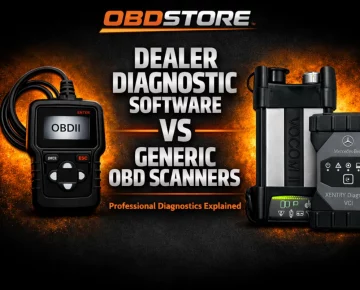
Three Levels of Scanner, Explained Simply
- Basic code readers – Read and clear engine codes. Cheap, easy, and enough for a petrol engine with an emissions fault.
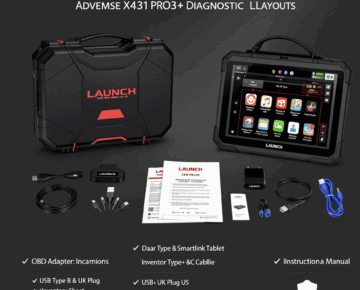
- Professional scan tools – Add live data, ABS, airbag, and body control systems. This is the level most small workshops need.
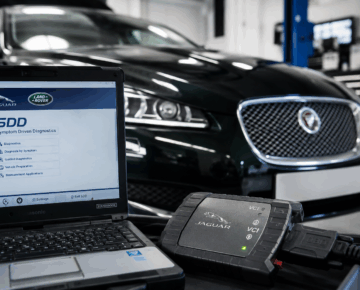
- Dealer-level systems – The same tools the main dealer uses. They add coding, programming, and full module access for one or several brands.
What to Look For
- Live data – Without it you are guessing, not diagnosing.
- Bi-directional control – Lets you switch a component on and off to test it.
- Manufacturer coverage – Match the tool to the cars you actually work on.
- Software updates – A scanner is only as good as its file library. Check what is included before you buy.
The Right Tool for the Job
If you work on one brand, stay with that brand: dealer tools are the fastest route to a correct diagnosis. If you see everything, a universal system covers far more ground for the money. If you are just starting out, read our guide on how to pick the right OBD2 scanner to avoid overpaying.
Our Honest Advice
Don’t buy on price alone. A cheap reader that misses half the fault costs more in the long run, because you will pay for diagnosis time elsewhere. Buy the best tool you can justify for the cars you work on.
- September 9, 2026
- Guidance & walkthroughs
related posts