- October 26, 2026
- 0
Why a Car Won’t Start
A car that won’t start is frustrating, but the cause is usually one of a handful of common issues. Before you call a breakdown service, a quick diagnostic check can point you in the right direction.
Step 1: Check the Battery
The most common cause of a no-start is a flat or weak battery. Turn the key and listen. If you hear a rapid clicking, the battery is likely dead. If nothing happens at all, check the battery terminals for corrosion and ensure they are tight.
A battery tester can check the state of charge and health. If the battery is fine, move to the next step.
Step 2: Check for Fault Codes
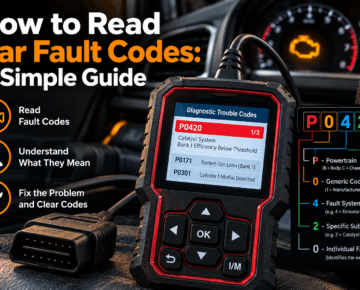
Even if the engine won’t crank, the ECU may have stored fault codes from previous drives. Plug in an OBD scanner and read the codes. Common no-start codes include:
- P0335 — Crankshaft position sensor fault
- P0340 — Camshaft position sensor fault
- P0087 — Fuel rail pressure too low
- P0230 — Fuel pump primary circuit fault
- P0351-P0358 — Ignition coil faults
Clear the codes, try to start, and see if they return. If a code returns immediately, that system needs attention.
Step 3: Check Fuel Delivery
Listen for the fuel pump. When you turn the ignition on (without cranking), you should hear a brief hum from the fuel tank. If you hear nothing, the fuel pump may have failed or the fuse/relay is blown.
Check the fuel pump fuse and relay. If those are fine but the pump doesn’t run, the pump itself may need replacing.
Step 4: Check Spark and Compression
For petrol engines, check that the spark plugs are firing. Remove a plug, reconnect the lead, and crank the engine while holding the plug against the engine block. You should see a spark. No spark means an ignition fault — coil, plug, or wiring.
For diesel engines, check glow plug operation. Cold starting issues often point to faulty glow plugs or a failing glow plug relay.
Step 5: Check Immobiliser and Security
If the engine cranks but won’t fire, and there are no fault codes, the immobiliser may be the issue. Check that the key is recognised — the immobiliser light should go out when the key is turned. If it flashes or stays on, the key or immobiliser system needs attention.
When to Use a Diagnostic Tool
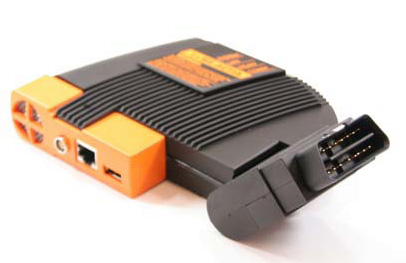
A diagnostic tool helps you narrow down the fault without guessing. Even on a no-start, reading live data (crank speed, fuel pressure, coolant temperature) tells you which system is failing. If you need a tool for fault finding, browse our range of OBD readers and diagnostic scanners.
If the car still won’t start after these checks, contact us for advice on the right diagnostic tool for your vehicle.
- October 28, 2026
- Auto Diagnostics How To Do's
related posts