- June 19, 2026
- 0
EV Car Diagnostics: How Electric Vehicles Are Changing Fault Finding
Introduction
EV car diagnostics is changing the way modern vehicles are repaired. Electric vehicles introduce new systems, new faults, and a completely different approach to fault finding. Garages that continue using traditional methods are already falling behind.
The Engine Is Gone. The Complexity Isn’t
EVs remove many traditional components:
- No engine
- No injectors
- No exhaust system
However, complexity hasn’t disappeared. It has shifted into:
- High-voltage battery systems
- Inverters and power electronics
- Battery management systems
- Software-controlled systems
Modern diagnostics is now focused on electrical behaviour and system interaction rather than mechanical failure.
Fault Codes Don’t Tell the Full Story
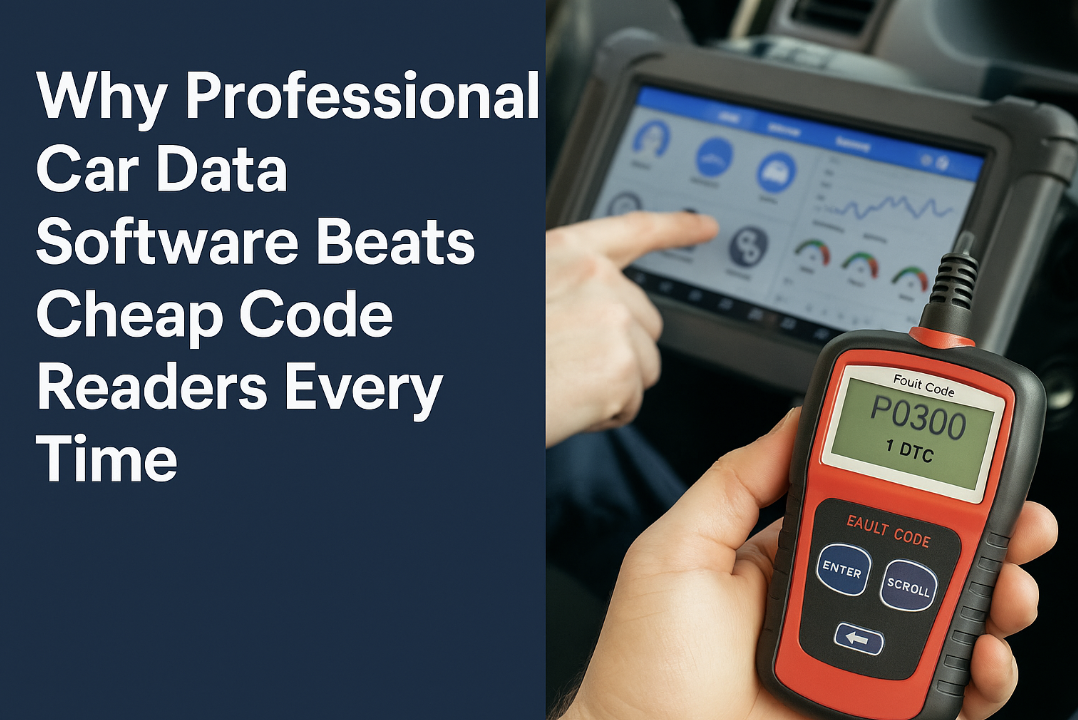
A fault code is not a diagnosis.
Example:
- Battery cell imbalance
Possible causes include:
- A failing cell
- Temperature variation
- Sensor error
- Software issue
Without proper testing, replacing parts becomes guesswork.
High Voltage Changes the Approach
Electric vehicles operate at:
- 400V systems
- 800V systems
This affects:
- Safety procedures
- Testing methods
- Required training
Before any work begins, systems must be isolated and verified safely.
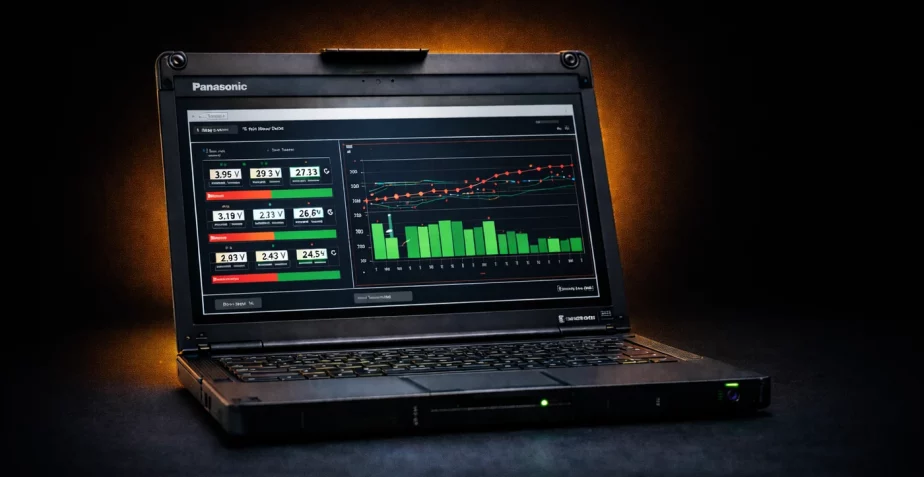
Live Data Is Where the Answers Are
The real insight comes from live data.
You need to analyse:
- Individual cell voltages
- Temperature spread across the battery
- Charging behaviour
- System response under load
Looking at static codes alone is no longer enough.
Software Plays a Major Role
Many issues are not hardware failures.
They are caused by:
- Software glitches
- Firmware mismatches
- Update errors
Fixing them often involves:
- Programming
- Coding
- System resets
Without the correct tools, this simply cannot be done properly.
Network Communication Matters
Modern EVs rely on multiple communication systems:
- CAN
- LIN
- Ethernet (DOIP)
A fault in one area can trigger issues elsewhere.
This is why a full system scan is essential.
The Tools You Actually Need
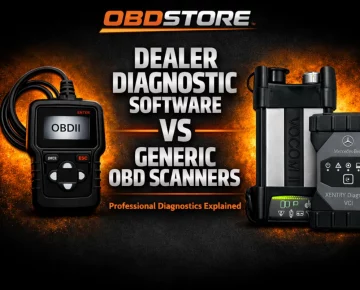
Dealer-Level Systems
To work properly on modern vehicles, you need:
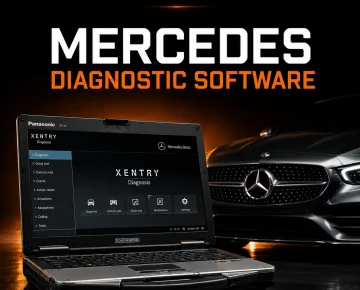
- Manufacturer-level software
- Full system access
- Programming capability
👉 Explore systems:
https://www.obdstore.co.uk/
Interfaces That Support Modern Protocols
Reliable communication is critical:
- DOIP-compatible interfaces
- Stable connections for programming
Generic scanners are limited here.
Battery Analysis Capability
You must be able to:
- View individual cell data
- Detect imbalance
- Monitor battery health
Without this, the most expensive component in the vehicle cannot be properly assessed.
The Skills Shift
This is no longer traditional mechanical work.
It requires:
- Electrical understanding
- Data interpretation
- Structured thinking
Less trial and error. More analysis.
Where Garages Go Wrong
The pattern is familiar:
- Read code
- Replace part
- Hope it works
This approach leads to:
- Wasted time
- Unnecessary parts
- Repeat faults
The Solution
If you want to keep up with modern vehicles, the setup matters.
That means:
- Proper diagnostic software
- Compatible interfaces
- Fully configured systems
At OBD Store, we provide complete solutions built for modern platforms, ready to use straight out of the box.
👉 Mercedes diagnostic tools:
https://www.obdstore.co.uk/genre/mercedes-diagnostic-tools/
👉 Diagnostic software:
https://www.obdstore.co.uk/product-category/software/
👉 Learn about EV systems (external):
https://www.bosch-mobility.com/en/solutions/electrification/
👉 UK EV technical direction:
https://www.gov.uk/government/publications/electric-vehicle-energy-taskforce
FAQs
What is EV car diagnostics?
It involves analysing electrical systems, battery data, and software behaviour to identify faults in electric vehicles.
Do EVs require special tools?
Yes. Proper diagnostics requires advanced systems capable of accessing all control modules and battery data.
- April 3, 2026
- Industry related news and articles
related posts