- June 19, 2026
- 0
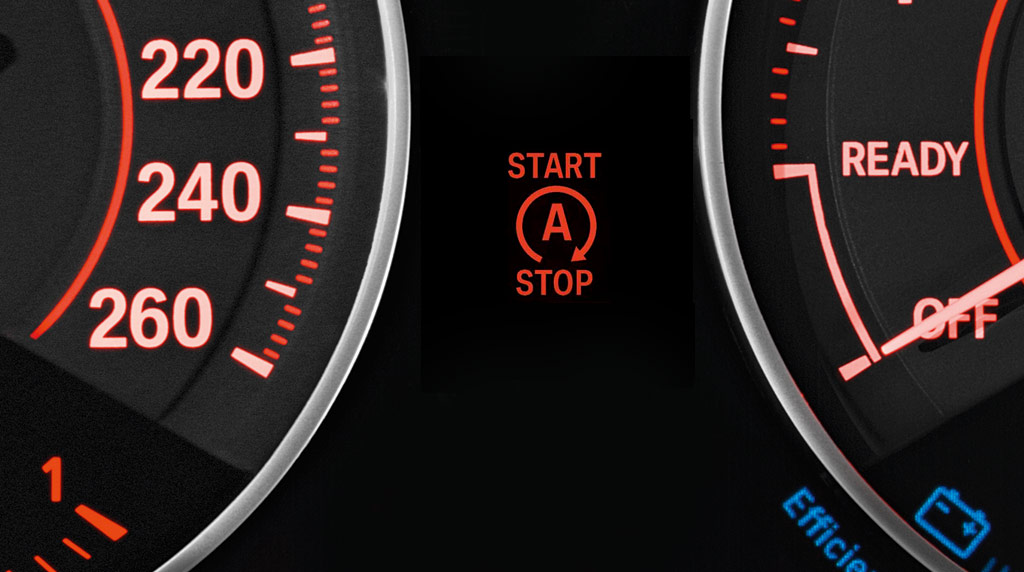
Start-Stop technology is spreading fast, and it is driving a boom in AGM battery manufacturing as car makers race to meet demand. Within five years it will be difficult to buy a new car that does not have Start-Stop built in.
The technology keeps gaining ground because governments are tightening fuel-economy rules and carbon-emission targets, putting more pressure on manufacturers around the world.
AGM (Absorbent Glass Mat) battery technology sits at the heart of a Start-Stop system, and it delivers up to around 5% fuel savings at the pump. Here is how it works: the system automatically shuts the engine off when the car is stationary, for example at traffic lights, and restarts it the moment the driver’s foot leaves the brake pedal. While the engine is off, the car’s electrical systems – from entertainment to lights – run from the AGM battery rather than the engine, which is what saves the fuel.
The market for new-car and aftermarket Start-Stop batteries is expected to grow sharply, potentially to around 56 million units worldwide, up from roughly 22 million today. Over that period a large share of new cars sold in Europe, and a significant slice in the US and China, are expected to use Start-Stop batteries. The pace of growth is tied closely to how much Start-Stop helps manufacturers hit their CAFE (Corporate Average Fuel Economy) targets.
For drivers and workshops the practical message is simple: Start-Stop cars need the right battery. A standard battery will not last in a Start-Stop vehicle – an AGM battery is designed for the constant cycling the system demands.
- October 11, 2015
- Industry related news and articles, Uncategorized
related posts