- September 1, 2025
- 0
What the Check Engine Light Actually Means
The check engine light is your car asking for help. When it comes on, the ECU records a fault code that tells you which system needs attention. Reading that code is the first step to a proper diagnosis.
Where to Find the OBD Port
Under the dashboard, usually near the steering column or the driver-side fuse box. It is the same socket on every modern car, and any OBD scanner plugs straight in.
How to Read a Fault Code
Plug in the scanner, turn the ignition on, and let the tool read the ECU. Codes follow a simple pattern, for example P0301:
- P – Powertrain (engine and gearbox). B is body, C is chassis, U is network.
- 03 – The system: fuel and air, ignition, emissions, and so on.
- 01 – The specific fault.
Code Readers vs Full Diagnostic Tools
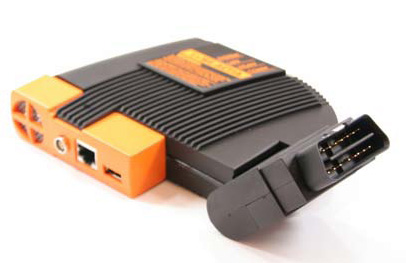
A basic code reader tells you the code and little else. A proper diagnostic scanner adds live data, bi-directional testing, and manufacturer-level coverage, which is what you need for real fault finding. If you are choosing your first tool, our guide to picking the right OBD2 scanner helps you match the tool to the job.
The Simple Rule
Read the code, clear it, and drive. If it comes straight back, the fault is active. If it returns later, it is intermittent. Actual diagnosis comes from the live data, not the code alone.
If you need a tool to get started, an OBD reader that reads and clears codes is the sensible first purchase.
- September 9, 2026
- Auto Diagnostics How To Do's
related posts